
The 2026 3rd International Conference on Computer Vision, Image Processing and Computational Imaging (CVIP 2026) will take place in Yinchuan, China.
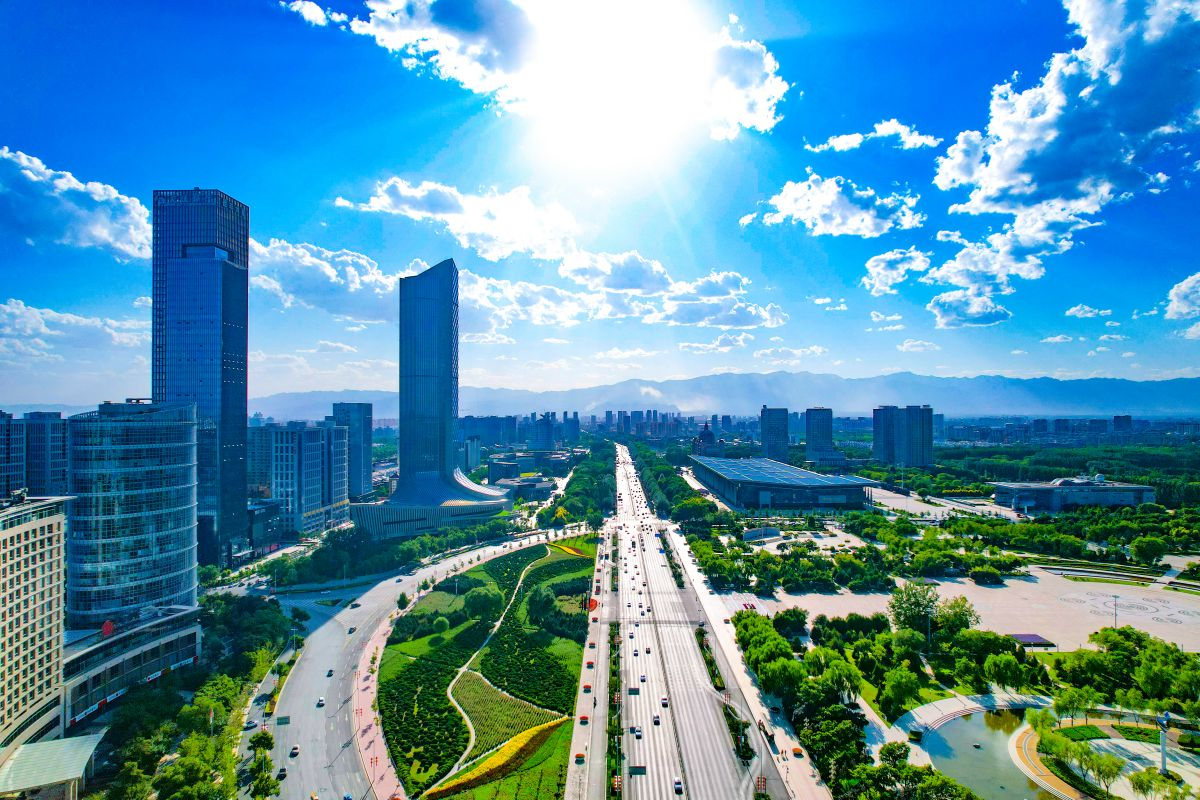
Yinchuan
Yinchuan is a prefecture-level city and the capital of the Ningxia Hui Autonomous Region, commonly abbreviated as “Yin.” Historically known as “Xingqing Prefecture” and also referred to as the “Phoenix City,” it is located in northwestern China, in the central part of the Ningxia Plain. The terrain consists of two main areas: mountainous regions and plains, with higher elevations in the west and south and lower elevations in the north and east. The city has a typical temperate continental climate characterized by dry conditions and high evaporation rates. As of April 2024, Yinchuan City administers 3 districts, 2 counties, and 1 county-level city under its jurisdiction. The Yinchuan dialect belongs to the “Lan-Yin Mandarin—Yin-Wu sub-dialect,” which is a Northern dialect. As of the end of 2024, Yinchuan City had a permanent resident population of 2.9147 million.
Some 30,000 to 40,000 years ago, the Shuidonggou Paleolithic cultural site was the earliest ancient human settlement in the Yinchuan region. After the Qin dynasty conquered the Six States, it divided the empire into 36 commanderies, with Yinchuan falling under the jurisdiction of Beidi Commandery. In the fourth year of the Xianping era of the Song dynasty (1001), Li Jiqian, leader of the Tangut people, conquered the entire Yinchuan Plain and moved his headquarters to Lingzhou. Li Yuanhao established the Western Xia dynasty, establishing its capital at Xingqing Prefecture. During the Ming Dynasty, the Ningxia Garrison was established, comprising seven military units and implementing a system of combined military and civil administration. In the Qing Dynasty, it was reorganized into Ningxia Prefecture, which administered counties and districts. In 1954, Ningxia Province was abolished, and Yinchuan City became the seat of the Yinchuan Special Administrative Region of Gansu Province. In October 1958, the Ningxia Hui Autonomous Region was established, with Yinchuan serving as its capital. Yinchuan is a key central city in the Northwest region as designated by the State Council, a National Historical and Cultural City, and a national comprehensive transportation hub. It is also a major national energy industry base and a base for advanced manufacturing in the Northwest. Additionally, it is a National Garden City; historically known as the “City of Seventy-Two Connected Lakes,” it is now celebrated as the “Lake City of the Frontier.” The city is home to numerous historical and cultural sites, including the Western Xia Tombs—a cultural relic from the Western Xia Dynasty—and the Shuidonggou Paleolithic Site.